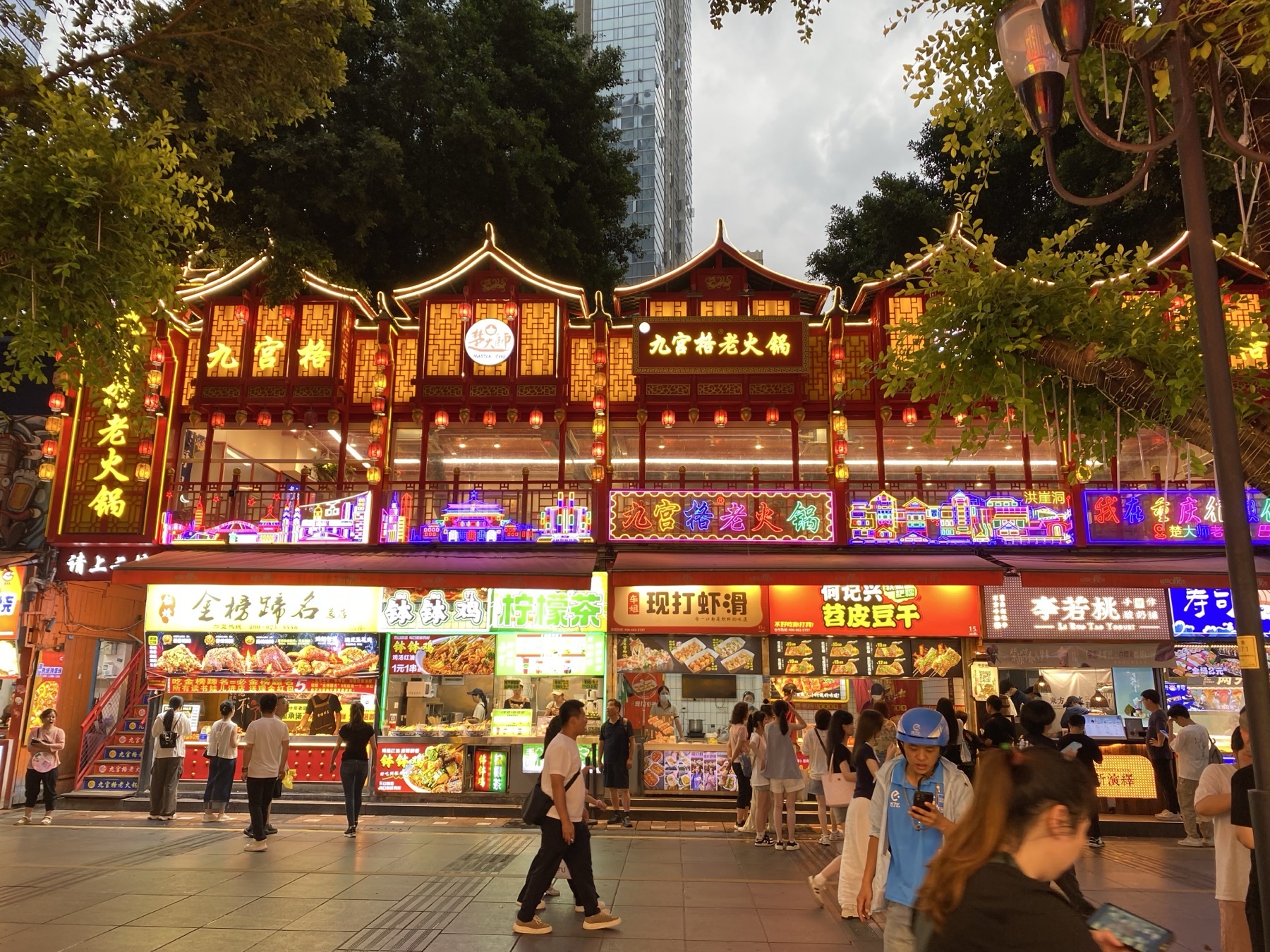
Quick answer: Keep flexible anything that does not threaten the structure of your trip if it changes. Local meals, neighborhoods, many day activities, some short-distance transportation, and optional side trips can often be decided after arrival.
DIY travel is easier when the important pieces are secure but ordinary days still have room to change.
Good candidates for later decisions
Depending on availability and season, these are often easier to leave flexible:
- restaurants and casual meals
- local neighborhoods and markets
- shopping time
- parks and ordinary public spaces
- optional day trips
- whether to use subway, DiDi, or taxi for a local journey
- rest time
Keep a short list instead of a fixed schedule
For each city, prepare:
- 2–3 high-priority things
- several optional ideas
- one easy low-energy activity
- one weather-independent option
Then choose based on energy, weather, and location.
Do not leave critical inventory to chance
A flexible strategy does not mean waiting on everything.
Book ahead when:
- capacity is limited
- your passport must be registered in advance
- the date cannot move
- it is a holiday or peak period
- missing it would disrupt another reservation
Use your location to decide the day
Amap makes it easier to see what is nearby. Instead of crossing a city repeatedly, group activities geographically after you arrive.
FAQ
Is it okay to travel China without a fully scheduled itinerary?
Yes. A good DIY trip can have fixed transport and accommodation plus flexible daily choices.
What should stay fixed?
The parts that protect the trip structure: important transport, key hotels, and must-do limited reservations.